Psychodynamic therapy for understanding what shapes you
I work from a psychodynamic perspective with adults who want to understand the patterns beneath their feelings and relationships. We can explore how older experiences still live in the present, without rushing past them.
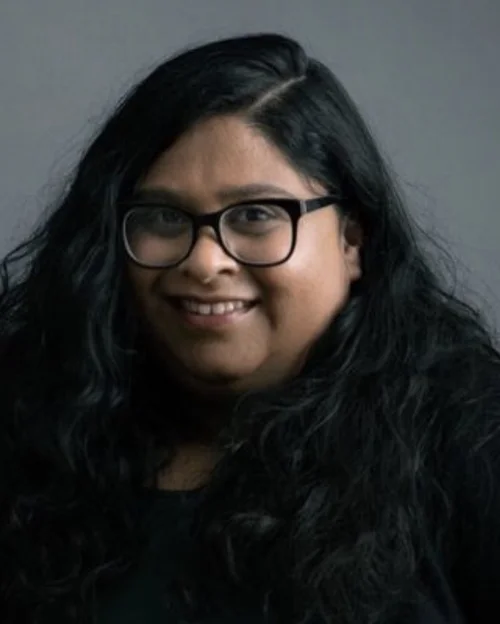
How I use it
Priya Puliyampet, LMHC
I listen closely for patterns in how you speak, what you avoid, and what feels charged. We can notice links between past and present without forcing quick conclusions. This kind of work often moves at the pace of understanding, not performance. I pay attention to the relationship between your feelings, your history, and what happens between us in the room.
We can listen for what repeats, even when it is hard to put into words.
Who it tends to suit
People often come in sensing that their present reactions are connected to older experiences, but they cannot quite sort out how. They may notice the same hurts, fears, or defenses showing up in different relationships. Some feel stuck in reactions that seem bigger than the moment. Others are tired of knowing something is wrong without understanding why.
- I react before I even understand what I feel.
- I keep ending up in the same place emotionally.
- I know this goes back further, but I can’t untangle it.
- I want to understand myself, not just cope.
What the first sessions look like
The first sessions are about learning your story as you live it now and how it connects to earlier relationships and experiences. You do not need to have neat answers or a complete timeline before we start.
I offer a free 15-minute consultation. I usually reply within 2 business days.
What I use it for
- IdentityAdults who feel hidden, split, or hard to recognize in themselves.
- RelationshipsAdults who feel stuck, distant, or on edge in close relationships.
- CultureAdults who feel pulled between expectations, belonging, and self-expression.
- LGBTQ+ concernsAdults navigating identity, safety, and visibility in LGBTQ+ life.
- First- and Second-Generation ExperiencesAdults balancing family history, belonging, and independence.