Relational therapy for the way we meet each other
I work relationally with adults who want to understand themselves through connection, not apart from it. We can pay attention to what happens between us as part of the healing work, not around it.
How I use it
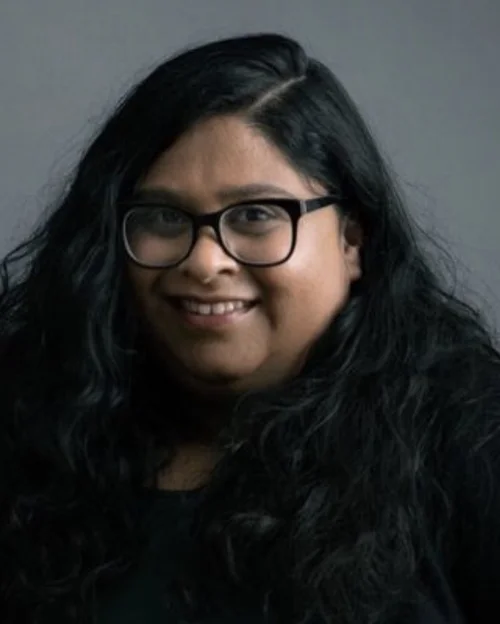
Priya Puliyampet, LMHC
I pay attention to the relationship between us because it often reflects the ways you move through the world. That can include moments of hesitation, testing, people-pleasing, guardedness, or relief. We can use those moments to understand what connection has meant for you and what gets in the way of feeling real with others. The work stays practical and emotional at the same time, grounded in what you experience as it unfolds.
What happens here can tell us a lot about what happens everywhere else.
Who it tends to suit
People may come in feeling that the hardest parts of life show up in relationship, especially when they start to matter. They might expect misunderstanding, hold back important feelings, or move quickly to protect themselves from disappointment. Some have learned to read other people carefully and disappear their own needs. Others feel unsure how to stay present when they care deeply.
- I never know how much of myself to show.
- I get thrown off by small shifts in tone.
- I try to stay easy, but I feel unseen.
- I want closeness, but it makes me tense.
What the first sessions look like
The first sessions focus on how you relate, what feels hard to trust, and what you hope might feel different in the room. You do not need to perform the right way to do therapy; we can notice together what actually happens.
I offer a free 15-minute consultation. I usually reply within 2 business days.
What I use it for
- IdentityAdults who feel hidden, split, or hard to recognize in themselves.
- RelationshipsAdults who feel stuck, distant, or on edge in close relationships.
- CultureAdults who feel pulled between expectations, belonging, and self-expression.
- LGBTQ+ concernsAdults navigating identity, safety, and visibility in LGBTQ+ life.
- First- and Second-Generation ExperiencesAdults balancing family history, belonging, and independence.